Free weaning plan - Register here
Trusted by parents for over 100 years

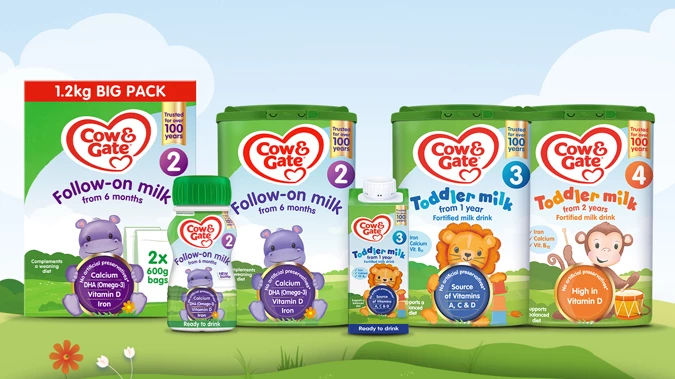
Why choose Cow & Gate Follow On Milk?


What Cow & Gate® parents say about us...



Available in all major retailers

Join the club
Ready to stop worrying about what other people think and do what feels right to you? We’ll give you the support you need to follow your instincts and enjoy parenthood to the max:
Helpful emails
Non-judgemental support
Free weaning plan*
Tips from real parents
*Weaning is recommended at around 6 months. Please speak with a healthcare professional before introducing solid foods.
Join the club
Ready to stop worrying about what other people think and do what feels right to you? We’ll give you the support you need to follow your instincts and enjoy parenthood to the max:
Helpful emails
Non-judgemental support
Free weaning plan*
Tips from real parents
*Weaning is recommended at around 6 months. Please speak with a healthcare professional before introducing solid foods.
Need some friendly advice or a bit of reassurance?
Ask us a question (8am - 8pm Monday to Friday, 10am - 4pm Weekends)
Messenger
Contact us on Facebook (10am - 10pm, 7 days a week)
Call us
Call us on 0800 977 8880 (8am - 8pm Monday to Friday)
FAQs
Get answers to your most frequently asked questions